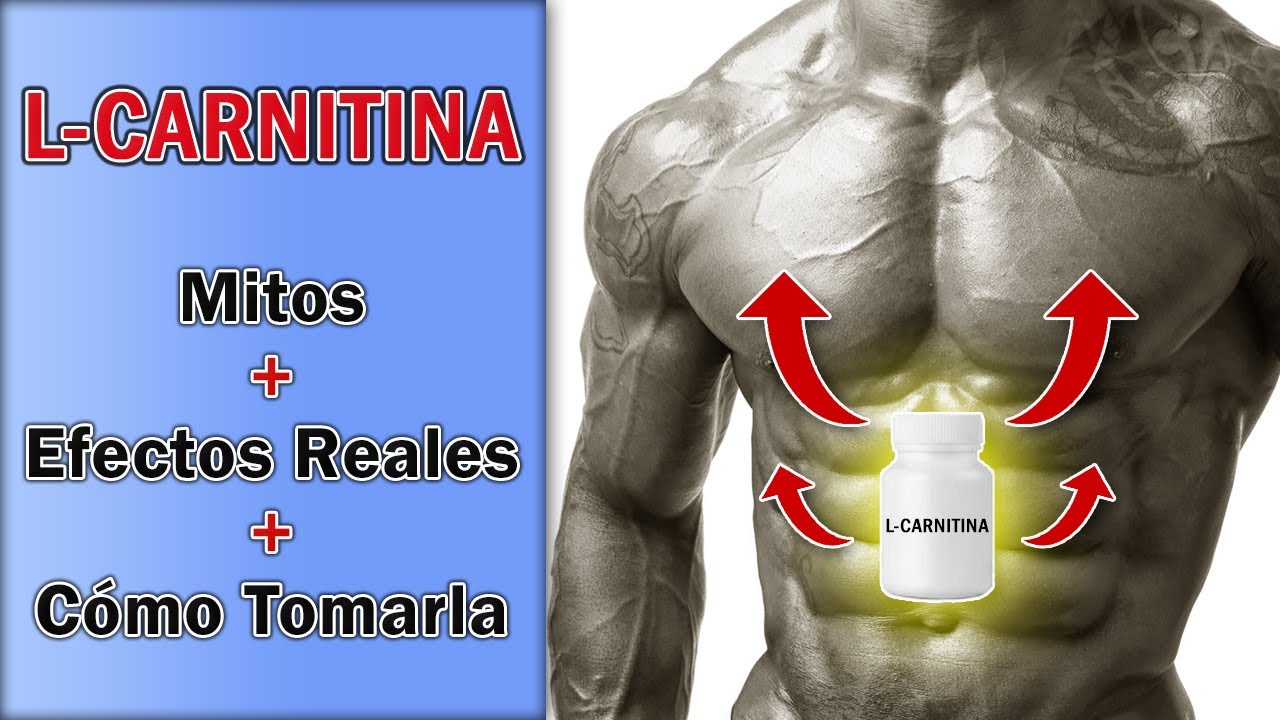
L-Carnitine Supplements: Benefits, Dosage and Food Sources Instant overview L-carnitine is a naturally occurring compound that transports long-chain fatty acids into the mitochondria of muscle cells, where they are burned for energy It may support weight loss by increasing calorie expenditure and allowing longer training sessions, and has been associated with reduced muscle soreness and faster recovery A systematic review associated carnitine supplementation with a 27% reduction in all-cause mortality The two main supplement forms are L-carnitine tartrate (fast absorption, common in sports nutrition) and acetyl L-carnitine (ALCAR), the most bioavailable form L-carnitine is a naturally occurring compound that transports long-chain fatty acids into the mitochondria of muscle cells, where they are burned for energy
Peptide encoded by lncRNA BVES-AS1 promotes cell viability, migration, and invasion in colorectal cancer cells via the SRC/ mTOR signaling pathway
[11] Human beings synthesize glutathione, but a few eukaryotes do not, including some members of Fabaceae, Entamoeba , and Giardia
Oral delivery remains a major goal for peptide drug development, despite the challenges posed by gastrointestinal degradation and poor absorption